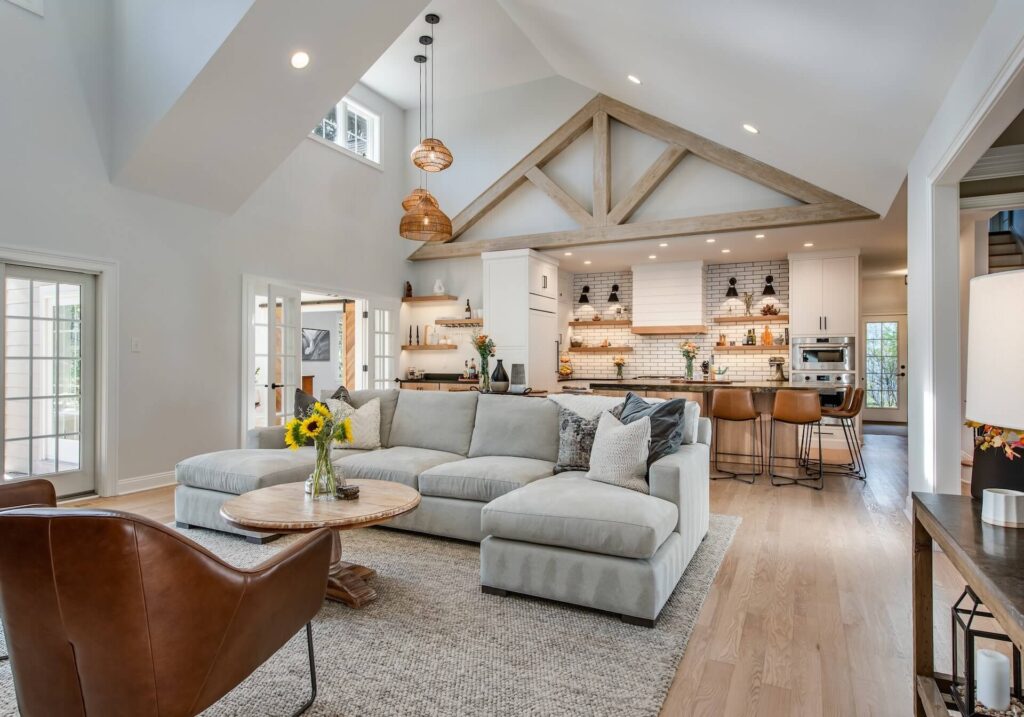



Choosing between a modern and a classic kitchen remodel can feel surprisingly difficult. The kitchen is where mornings begin, where family gathers, and where many of a home’s best memories are made, so the pressure to get it right is real. On top of that, you are balancing personal taste, everyday function, and your home’s long-term value all at once. The reassuring news is that there is no single correct answer. The best style is the one that fits how you live, what you love, and the character of your house. This guide breaks down both directions so you can move forward with confidence.
Why Your Kitchen Remodel Style Matters
A kitchen’s style is about far more than how it photographs. The direction you choose shapes how the space functions, how comfortable it feels during a busy weeknight dinner, and how much upkeep it asks of you over the years. Style also influences resale value and how naturally the kitchen connects to the rest of your home. A sleek, contemporary kitchen inside a traditional craftsman house can feel disjointed, while a heavily ornate design in a minimalist new build may look out of place. Thinking about style early helps you make choices that feel cohesive, practical, and rewarding long after the dust settles.
What Is a Classic Kitchen?
A classic kitchen, often called traditional, celebrates timeless craftsmanship and warm, inviting detail. These spaces feel familiar and comfortable, drawing on design ideas that have stayed in style for generations. Common features include raised-panel or shaker cabinetry, natural wood finishes, decorative crown molding, furniture-style islands, and softer palettes built around creams, warm whites, and earthy tones. Hardware tends to have a vintage or hand-forged feel, while details like glass-front cabinets, apron sinks, and patterned backsplashes add personality. If you are drawn to coziness, heritage, and a lived-in sense of warmth, a classic kitchen will likely speak to you.
What Is a Modern Kitchen?
A modern kitchen leans into clean lines, open space, and a clutter-free look. The focus is simplicity and function, with every element serving a clear purpose. Expect flat-panel cabinets, handleless or slim hardware, neutral or monochromatic color schemes, and surfaces such as quartz or polished stone. Modern kitchens frequently feature integrated appliances that disappear into the cabinetry, statement lighting, and smart technology that makes cooking and entertaining easier. The result is a calm, streamlined environment that feels current without trying too hard. Homeowners who value minimalism, efficiency, and an uncluttered atmosphere often gravitate toward this style.
Modern vs. Classic Kitchen Remodel: Side-by-Side Comparison
Both styles can create a beautiful, hardworking space, but they approach design from different angles. The comparison below looks at the factors that matter most when you plan a kitchen remodel.
Appearance
Classic kitchens build texture and depth through molding, paneling, and warm finishes, creating a rich, welcoming look that pairs well with colonial, farmhouse, and craftsman homes. Modern kitchens favor flat surfaces, reflective materials, and a restrained palette, producing a crisp, airy feel suited to contemporary and transitional architecture. One invites you to settle in, while the other emphasizes openness and light.
Functionality
Classic layouts often embrace defined zones and generous cabinetry, which many home cooks appreciate for organization. Modern kitchens prioritize workflow, with thoughtful layouts, integrated appliances, and tech features that simplify daily tasks. If you love hosting large gatherings, both can deliver, though modern designs tend to favor open-concept flow while classic designs offer a more structured cooking space.
Storage Solutions
Traditional kitchens rely on tall cabinets, walk-in pantries, and decorative built-ins to keep essentials within reach. Modern kitchens make the most of every inch with pull-out drawers, hidden compartments, vertical organizers, and clever corner systems. Households with plenty of cookware often prefer the deep, accessible storage common in modern designs, while those who love display-worthy dishware tend to enjoy the glass cabinetry of a classic look.
Maintenance Requirements
Classic cabinetry with detailed molding and grooves can take a little more effort to keep dust-free, and natural wood may need occasional care. Modern flat surfaces wipe clean quickly, though high-gloss finishes sometimes show fingerprints and smudges. Countertop choice matters in both cases, since materials like quartz resist stains better than certain natural stones that need periodic sealing.
Longevity
Classic kitchens are prized for staying relevant year after year, rarely feeling dated thanks to their roots in enduring design. Modern kitchens look fresh and current, though trend-driven elements can age faster if they lean too heavily on a passing fad. Choosing quality materials and a timeless foundation in either style protects your investment.
Cost Considerations
It is a common myth that one style automatically costs more than the other. In reality, pricing depends far more on your material selections, the level of customization, labor, and overall project scope than on whether you choose modern or classic. Custom cabinetry, premium countertops, and specialty features raise the budget in both directions. An experienced contractor can help you reach the look you want at a price that fits.
Best for Resale Value
Both modern and classic kitchens can lift resale value when they are well designed and professionally built. What matters most is how well the kitchen suits the home, appeals to local buyers, and uses durable, attractive materials. In some neighborhoods, buyers expect a contemporary feel, while in others, traditional warmth wins them over. Timeless, quality-driven choices tend to deliver the strongest long-term return.
Which Kitchen Remodel Style Fits Your Lifestyle?
Start by thinking about how you actually live. If you enjoy cozy mornings, family recipes passed down through the years, and a space that feels grounded and warm, a classic kitchen likely fits. If you prefer a tidy, low-fuss environment with smart features and an open feel, modern design may be your match. Weigh your daily routines, how often you entertain, the ages of everyone in the household, and the overall character of your home. There is no wrong choice here, only the one that supports the way you want to live.
Can You Combine Modern and Classic Design?
Absolutely. Many homeowners choose a transitional kitchen that blends the best of both worlds. This approach might pair shaker cabinets with sleek quartz counters, or combine warm wood tones with minimalist hardware and clean lighting. The aim is balance, with enough warmth to feel inviting and enough simplicity to feel current. A transitional design offers flexibility, timeless appeal, and a personalized result that never boxes you into a single look.
Why Hiring the Right Kitchen Remodeling Contractor Matters
A kitchen remodel involves dozens of decisions, several trades, and a budget you want to protect. An experienced kitchen remodeling contractor guides you through design choices, recommends materials that match your goals, coordinates electricians, plumbers, and installers, and keeps the project on schedule. Working with a licensed local professional also means the work meets code and holds up over time. The right partner turns a stressful process into an exciting one, helping you balance style, function, and lasting value.
Why Houston Homeowners Choose ENB Contracting for Kitchen Remodel Projects
Houston families trust ENB Contracting because we treat every remodel as a partnership. Our team listens closely, communicates openly, and delivers craftsmanship we are proud to stand behind. Whether you lean modern, classic, or somewhere in between, we help you compare options, plan around your budget, and bring your vision to life with quality that lasts. Take a look at our work to see how we have transformed kitchens across the Houston area, then picture what we can create for yours.
Frequently Asked Questions
Is a modern or classic kitchen remodel more expensive?
Neither style is inherently more expensive. Your final cost depends on material selections, the amount of customization, labor, and project scope. Premium cabinetry, high-end countertops, and specialty upgrades drive pricing in both styles, so your individual choices matter far more than the label.
Which kitchen style has better resale value?
Both can increase resale value when they complement your home’s architecture, appeal to local buyers, and feature high-quality materials. Rather than chasing short-lived trends, focus on timeless functionality and durable finishes, which tend to deliver the most dependable return.
How long does a complete kitchen remodel take?
Most full kitchen remodels take several weeks to a few months. Timelines shift based on design complexity, custom cabinetry lead times, permitting, material availability, and any surprises uncovered during construction. Careful planning upfront keeps the project moving and helps set realistic expectations.
Can I mix modern and traditional kitchen features?
Yes. Blending the two is known as transitional design, and it is a popular way to enjoy warmth and simplicity together. You might combine classic cabinetry with modern counters or pair traditional finishes with sleek hardware, as long as the elements work together for a cohesive result.
What kitchen remodel adds the most value to a home?
Upgrades that typically offer the strongest return include quality cabinetry, durable countertops, improved lighting, an efficient layout, and energy-efficient appliances. The greatest value comes from a well-planned remodel that pairs visual appeal with everyday function.
Ready to Start Your Kitchen Remodel?
Your dream kitchen is closer than you think. Whether you picture timeless warmth, modern simplicity, or a thoughtful blend of both, ENB Contracting is ready to help you plan a kitchen remodel that fits your lifestyle, budget, and home. Schedule a free consultation today and let our Houston team guide you from first idea to finished space, with expert advice and craftsmanship you can count on.